



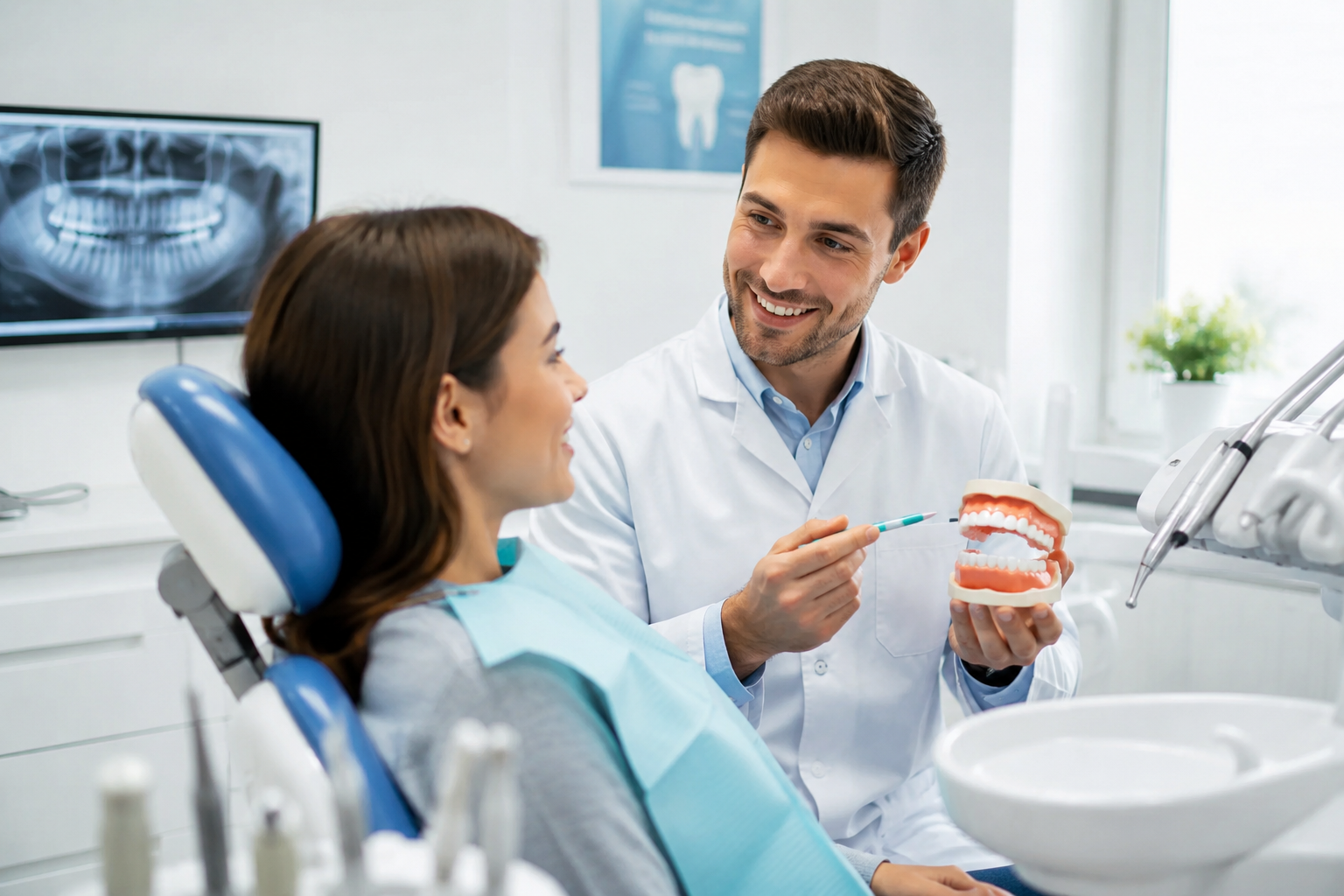
If you’ve been living with extensive dental damage or discomfort, full mouth reconstruction in Williamsville, NY gives a clear path back to comfortable chewing, reliable function, and a confident smile. A local team can evaluate your needs, create a personalized plan using modern restorative and cosmetic techniques, and guide you through each step toward lasting oral health.
This article explains what full mouth reconstruction involves, how a Williamsville dentist personalizes treatment, what to expect during the process, and why choosing a nearby practice makes recovery and follow-up easier. It also covers prevention strategies and common questions so you can decide whether to schedule a consultation.
Understanding Full Mouth Reconstruction
Full mouth reconstruction restores dental function, comfort, and appearance by combining several treatments into a coordinated plan. It addresses bite problems, missing teeth, worn enamel, and damaged restorations to improve chewing, speech, and long-term oral health.
What Full Mouth Reconstruction Involves
Full mouth reconstruction typically combines restorative, cosmetic, and sometimes surgical dentistry into a stepwise treatment plan. Treatments may include crowns, bridges, dental implants, veneers, root canals, periodontal therapy, and occlusal (bite) adjustment. A detailed exam, digital x-rays, and impressions guide the sequence and materials used.
Treatment begins with stabilizing oral health: controlling gum disease and treating decay or infection. Next, dentists restore tooth structure and bite relationships using crowns or onlays, and replace missing teeth with implants or fixed bridges. Finally, cosmetic refinements—veneers or whitening—improve appearance and symmetry.
The process often spans several months, sometimes longer if implants or extensive bone grafting are needed. Dentists coordinate with specialists (periodontists, endodontists, oral surgeons, and lab technicians) to ensure predictable fit, function, and esthetics. Patients receive a written plan, timeline, cost estimate, and maintenance instructions.
Who May Benefit Most
Patients with widespread tooth loss, severe wear from bruxism, chronic bite pain, or multiple failing restorations are prime candidates. Those who struggle with chewing, frequent dental emergencies, or noticeable changes in facial support also often benefit. A full clinical evaluation determines whether a staged reconstruction or more limited treatment will best meet goals.
People with adequate general health and realistic expectations about time, cost, and maintenance typically achieve the best outcomes. Smokers, uncontrolled diabetes, or untreated periodontal disease need management before restorative work. Older adults with multiple restorations can regain function and confidence through careful planning and minimally invasive options where possible.
Patients seeking long-term solutions—rather than temporary fixes—should discuss implant options, resilient materials, and protective measures like nightguards. The dentist will explain trade-offs between durability, cost, and appearance to help each patient choose the right combination of treatments.
Common Dental Issues Addressed
Full mouth reconstruction addresses several interrelated problems that affect comfort and oral health. Key issues include:
- Missing teeth that impair chewing and cause neighboring teeth to shift.
- Severely worn or fractured teeth from grinding or acid erosion.
- Recurrent decay under old fillings and inadequate restorations.
- Advanced gum disease that compromises tooth support and bone.
Additional concerns include chronic jaw pain, uneven bite leading to TMJ symptoms, and aesthetic problems such as uneven smile lines or collapsed vertical dimension. Treatment prioritizes eliminating infection, restoring stable bite relationships, and rebuilding tooth structure with durable materials like porcelain-fused-to-zirconia crowns or implant-supported prostheses.
Dentists also incorporate preventive strategies to protect restorations long-term: periodontal maintenance, home care instructions, occlusal guards, and scheduled follow-ups. This integrated approach reduces future complications and helps maintain function and appearance for many years.
Personalized Treatment Planning
This section explains how clinicians design a step-by-step plan tailored to each patient’s oral health, goals, and lifestyle. It covers the initial consultation, detailed assessments, and coordination with specialists to create a predictable, comfortable path to full mouth reconstruction.
Initial Consultation Process
The initial consultation begins with a focused conversation about the patient’s concerns, medical history, and desired outcome. The dentist asks about pain, chewing difficulty, past dental work, smoking, medications, and aesthetic priorities to build a clinical picture.
Next comes an oral exam that checks teeth, gums, bite alignment, jaw joints, and facial proportions. The clinician documents existing restorations, tooth wear, missing teeth, and soft-tissue health to identify immediate needs and long-term risks.
Clinics in Williamsville often include digital imaging during this visit—panoramic X-rays and intraoral photos—to capture baseline anatomy. Patients typically receive an outline of recommended next steps, approximate timelines, and a rough cost range so they can make informed decisions before advancing to definitive planning.
Comprehensive Dental Assessments
Comprehensive assessments combine clinical testing with digital tools to map problems precisely. Bite analysis, periodontal charting, caries detection, and occlusal wear evaluation reveal functional contributors that influence restorative choices.
Advanced imaging—cone beam CT (CBCT) when indicated—shows bone volume for implant planning and helps detect hidden pathology. Intraoral scans produce 3D models used for mock-ups and to simulate final restorations, giving patients a realistic preview of expected results.
Laboratory tests for bite dynamics and provisional restorations let the team refine occlusion and aesthetics before final crowns or bridges. Clear treatment options, staged sequencing (e.g., periodontal therapy→implants→prosthetics), and estimated recovery windows help patients understand what each phase involves and why it matters.
Collaboration With Specialists
Complex reconstructions often require a team approach. The general dentist coordinates with periodontists for gum and implant surgery, endodontists for root canal challenges, and oral surgeons when extractions or bone grafting are necessary.
Prosthodontists may design the final occlusion and select materials for crowns, bridges, or implant restorations to ensure longevity and function. Lab technicians and digital designers translate clinical plans into precise restorations using CAD/CAM workflows and shade-matching protocols.
Regular case conferences and shared digital records keep everyone aligned on timing, temporary restorations, and patient comfort. This coordinated approach reduces surprises, shortens treatment time, and increases the likelihood of a stable, comfortable result—patients are encouraged to ask about each team member’s role during planning.
Modern Treatment Options Available
Patients can expect a combination of tooth-saving restorations, cosmetic refinements, and digital tools that improve fit, comfort, and predictability. Treatment plans often blend implants, crowns, veneers, periodontal therapy, and 3D-guided workflows to restore function and appearance efficiently.
Restorative Procedures
Restorative care centers on replacing missing teeth and rebuilding damaged ones. Dental implants replace single or multiple teeth with titanium posts fused to bone; they anchor crowns, bridges, or overdentures and prevent bone loss. Crowns and onlays restore heavily filled or fractured teeth using porcelain, zirconia, or metal-ceramic materials chosen for strength and esthetics.
Root canal therapy salvages infected teeth by removing diseased pulp and sealing the canals, often followed by a crown for protection. Removable partial dentures offer economical tooth replacement when implants aren’t an option. Periodontal therapy treats gum disease with scaling/root planing and, when needed, surgical regenerative techniques to preserve tooth support.
Treatment sequencing matters: stabilize infection and bite, replace teeth in the aesthetic zone, then finalize occlusion. They will plan restorative steps around oral health, budget, and long-term maintenance.
Cosmetic Enhancements
Cosmetic work focuses on appearance while supporting function. Porcelain veneers cover the front of teeth to correct shape, color, and small alignment issues, lasting 10–15 years with proper care. Tooth whitening—either in-office or take-home trays—brightens natural teeth before restorations are matched to the new shade.
Smile design often combines veneers, crowns, and gum contouring to create balanced proportions. Gingival sculpting with a diode laser or crown lengthening exposes more tooth structure for a pleasing smile line. Composite bonding repairs chips and gaps in a conservative, same-day approach for minor corrections.
The practice frames cosmetic choices around durability, maintenance, and how they integrate with restorations like crowns or implants to ensure consistent color, contour, and function.
Advanced Technology Use
Digital tools increase precision and patient comfort across the treatment sequence. Cone-beam CT (CBCT) imaging maps bone anatomy for safe implant placement and identifies pathology that traditional X-rays might miss. Intraoral scanners capture a detailed 3D model of teeth and gums, replacing messy impressions and speeding lab workflows.
CAD/CAM technology mills crowns, bridges, and implant abutments in highly accurate shapes from materials such as zirconia in fewer visits. Guided-surgery stents created from digital planning allow implants to be placed with predictable depth and angle, reducing surgical time and postoperative discomfort. Digital bite analysis and occlusal adjustments help prevent future breakdown by balancing forces.
These technologies shorten treatment times, improve fit, and reduce surprises, while also allowing clinicians to show patients visual treatment plans and expected outcomes before work begins.
What to Expect During the Process
The process typically involves diagnostic planning, staged procedures, and a clear recovery path. Patients can expect detailed imaging, personalized treatment plans, and periodic check-ins to track healing and function.
Step-By-Step Timeline
The first visit usually includes digital X-rays, CBCT scans, and a clinical exam to document bite, bone level, and existing restorations. The dentist or prosthodontist creates a written treatment plan with estimated sequence, costs, and timelines.
Next comes preparatory work: extractions, periodontal treatment, or bone grafting when needed. These procedures often require 4–6 weeks of healing before placing implants or definitive restorations.
Implant placement, if part of the plan, takes place in a surgical appointment followed by 3–6 months of osseointegration for most patients. Temporary teeth or bridges are provided during healing so function and appearance are maintained.
Final restorative appointments include crown and bridge fitting, adjustments to occlusion, and delivery of the full-arch prosthesis. Typical total time ranges from 3 months for simpler cases to 12+ months for complex reconstructions with grafting.
Pain Management and Comfort
Local anesthesia numbs the treated areas during extractions, implant placement, and crown preparation. For anxious patients, sedation options—nitrous oxide, oral sedatives, or IV conscious sedation—are discussed and arranged before surgery.
Postoperative pain is usually moderate and managed with a short course of NSAIDs or acetaminophen; opioids are rarely required. Cold packs and rest on the first 48 hours help reduce swelling after oral surgery.
Clinicians provide a written medication and emergency-contact plan with clear instructions on bleeding control, signs of infection, and when to call the office. Regular follow-up visits let the team address discomfort early and modify pain control if necessary.
Aftercare and Recovery
Patients should follow a soft-food diet for 1–2 weeks after extractions or implant surgery, advancing to a normal diet as comfort allows. Brushing around surgical sites with a soft brush and using a prescribed antimicrobial rinse reduces infection risk.
Healing checks occur at 1–2 weeks, 6–8 weeks, and then at implant integration milestones. These visits include occlusion checks and adjustments to temporary restorations to protect healing bone and surrounding teeth.
Long-term maintenance includes routine cleanings every 3–6 months, night guard therapy when grinding, and avoiding hard foods that risk chipping prosthetics. The dental team provides a personalized home-care checklist and schedules periodic prosthesis evaluations to ensure function and longevity.
Benefits of Choosing a Local Williamsville Dentist
Selecting a local Williamsville dentist for full mouth reconstruction keeps care coordinated, reduces travel stress, and ensures quick access to appointments and emergency support. Patients gain continuity, community-based reputation, and easier follow-ups that matter during multi-step restorative treatment.
Continuity of Care
A local dentist who manages the entire reconstruction sequence — diagnostics, treatment planning, implant placement, and restorations — maintains a single medical record and consistent clinical judgment. That continuity reduces the risk of miscommunication between separate providers and helps the dentist track healing, prosthetic fit, and long-term function across every visit.
Familiarity with a patient’s medical history and preferences speeds decision-making and individualizes restorative choices, such as when to stage implant surgeries or select materials for crowns. It also allows the dentist to compare progress against earlier records and make timely adjustments to occlusion, bite, or hygiene instructions.
Community Trust and Reputation
Williamsville dentists build reputations through local referrals, patient reviews, and visible work in the community. This reputation gives prospective patients a measurable way to assess quality: they can read recent reviews, ask neighbors, or view before-and-after cases from the same practice.
A trusted local practice often invests in patient comfort and modern technology — digital imaging, in-house labs, and sedation options — because word-of-mouth affects future referrals. Patients benefit from staff who know local insurance networks and can explain costs and financing clearly, which reduces surprises during multi-stage reconstructions.
Easy Access for Follow-Ups
Full mouth reconstruction involves multiple visits for fittings, adjustments, and monitoring healing after implants or bone grafts. Choosing a nearby Williamsville office minimizes travel time, making it easier to keep appointments and maintain post-op care schedules.
Quick access proves valuable if complications arise, such as sensitivity, prosthesis loosening, or infection. Same-community care enables faster emergency appointments and easier coordination with specialists (periodontists, oral surgeons, or labs) who also serve the area, shortening turnaround time for repairs and ensuring smoother recovery.
If they want to learn more or schedule a consultation, patients can call the local office to discuss individualized treatment plans and next steps.
Preventing Future Dental Issues
Maintaining restorations and natural teeth requires routine care, protective habits, and timely professional checkups. Small daily actions and a clear follow-up plan greatly reduce risks of decay, wear, and implant complications.
Long-Term Oral Care Tips
He should brush twice daily with a soft-bristled brush and a fluoride toothpaste for two minutes, reaching all surfaces of crowns, bridges, and natural teeth. Electric toothbrushes often remove plaque more effectively around margins of restorations; they can be recommended for patients with limited dexterity.
Floss once daily using interdental tools fitted to the space — waxed floss under bridges, floss threaders for fixed appliances, or interdental brushes for wide gaps. Daily antimicrobial mouthrinse can reduce bacterial load, but it should not replace mechanical cleaning.
Schedule professional cleanings every three to six months depending on gum health and implant status. X-rays and peri-implant checks at regular intervals detect problems early. Keep a treatment log of dates for restorations and warranty information to help the dental team evaluate long-term success.
Healthy Habits for Lasting Results
They should avoid hard foods (ice, hard candy) and habits like chewing pens or nails to prevent fractures of crowns and veneers. If bruxism is present, invest in a custom nightguard to protect prosthetics and remaining teeth; an over-the-counter guard is a short-term option but less protective.
Limit acidic and sugary foods and rinse with water after acidic meals to protect enamel and restoration margins. Quit tobacco and reduce alcohol; both impair healing around implants and increase risk of gum disease. Stay hydrated to support saliva flow, which helps remineralize enamel and control bacteria.
Encourage prompt contact with the dental office for loosened crowns, persistent sensitivity, or sore gums around implants. Early intervention often preserves restorations and prevents more invasive treatment.
Ready to Begin Your Journey?
Patients can schedule an initial consultation to review medical history and goals. The team will perform a gentle exam and discuss treatment options tailored to their needs.
They receive a clear treatment plan with timelines, costs, and what to expect at each visit. Financing and insurance guidance are available to help make decisions manageable.
Comfort measures like sedation options, warm blankets, and patient breaks are offered during longer procedures. Modern technology such as digital imaging and same-day restorations shortens treatment time and improves outcomes.
A typical visit checklist helps patients prepare:
- Bring medical records and current medications
- List questions and cosmetic or functional priorities
- Arrange transportation if sedation is planned
Patients are encouraged to ask about preventive steps to protect their investment, including oral hygiene routines and maintenance visits. Follow-up care keeps restorations healthy and detects issues early.
To schedule a consultation or request more information, contact the Williamsville practice directly. Staff will answer questions and help coordinate the first visit.
Frequently Asked Questions
This section answers common costs, timelines, treatment types, insurance questions, recovery expectations, and how to choose a dentist for full-mouth reconstruction in Williamsville, NY. It gives concrete figures, typical schedules, common procedures, and practical steps to verify providers and insurance coverage.
How much should I expect to pay for a full-mouth dental makeover, and what factors change the price?
Full-mouth reconstruction in Williamsville typically ranges from $20,000 to $60,000 or more, depending on scope.
Costs vary with the number and type of implants, crowns, bridges, or dentures; whether bone grafting, sinus lifts, or periodontal therapy are required; and the materials chosen (for example, zirconia vs. porcelain-fused-to-metal).
Specialist fees (oral surgeon, prosthodontist), lab work for custom restorations, and sedation or anesthesia add to the total.
Practice location, clinicians’ experience, and use of advanced technologies (CBCT scans, guided surgery, same-day restorations) also influence price.
Will my dental insurance help cover a bigger treatment plan, and how can I find out before I start?
Most dental plans cover portions of restorative work like crowns and certain extractions, but rarely cover full-mouth reconstruction in full.
Procedures aimed at treating disease (periodontal therapy, extractions) usually receive better coverage than purely cosmetic components.
Ask the Williamsville office for a pre-treatment estimate and a predetermination submitted to your insurer.
Bring plan details (ID, benefits booklet) to the consultation; the dental team can call your carrier and provide a written breakdown of covered services, patient responsibility, and estimated out-of-pocket costs.
How long does a full-mouth treatment plan usually take from the first visit to the final smile?
Treatment timelines commonly span 3 to 12 months, sometimes longer if extensive healing or staged orthodontics are needed.
A single-visit diagnostic workup with 3D imaging and models sets the plan; restorative phases (implants plus healing, temporary to final crowns) determine length.
Single-arch or “teeth-in-a-day” solutions can shorten chair time but still require months for planning and follow-up.
Complex cases with bone grafts or gum therapy extend the timeline to ensure stable, long-term results.
What kinds of treatments are typically included—like implants, crowns, dentures, or gum care—and how do we decide what I need?
Typical full-mouth plans combine periodontal therapy, extractions, bone grafting, dental implants, implant-supported crowns or bridges, and removable or fixed dentures.
Restorative options also include endodontic (root canal) therapy, veneers, and orthodontics when alignment affects function or esthetics.
The dental team decides based on a clinical exam, full-mouth X-rays or CBCT scans, bite analysis, and the patient’s goals and health history.
They present options with pros, cons, costs, and timelines so the patient can choose a plan aligned with function, appearance, and budget.
What should I expect during recovery, and how do you keep patients comfortable throughout the process?
Recovery depends on the procedure—simple crowns have minimal recovery, while implant placement with grafting requires weeks to months of healing.
Clinics use local anesthesia, conscious sedation, or IV sedation as needed, plus clear post-op instructions, prescribed pain control, and antibiotics when indicated.
Patients receive a written care plan, emergency contact information, and scheduled follow-ups to monitor healing and adjust temporary restorations.
Soft-diet recommendations, oral hygiene guidance, and staged appointments help manage discomfort and protect surgical sites.
How do I choose the right oral surgeon or dental team, and what should I look for in reviews and credentials?
Look for a team that includes an experienced restorative dentist and an oral surgeon or prosthodontist with specific full-mouth reconstruction experience.
Verify licenses, board certifications, and memberships (ADA, AAOMS, AAP) and ask about digital planning tools like CBCT and guided implant surgery.
Read patient reviews for consistent mentions of comfort, clear communication, predictable timelines, and natural-looking results.
Schedule a consultation to discuss case examples, view before-and-after photos, and confirm the practice offers written treatment plans, financing options, and a clear warranty or maintenance policy.


