



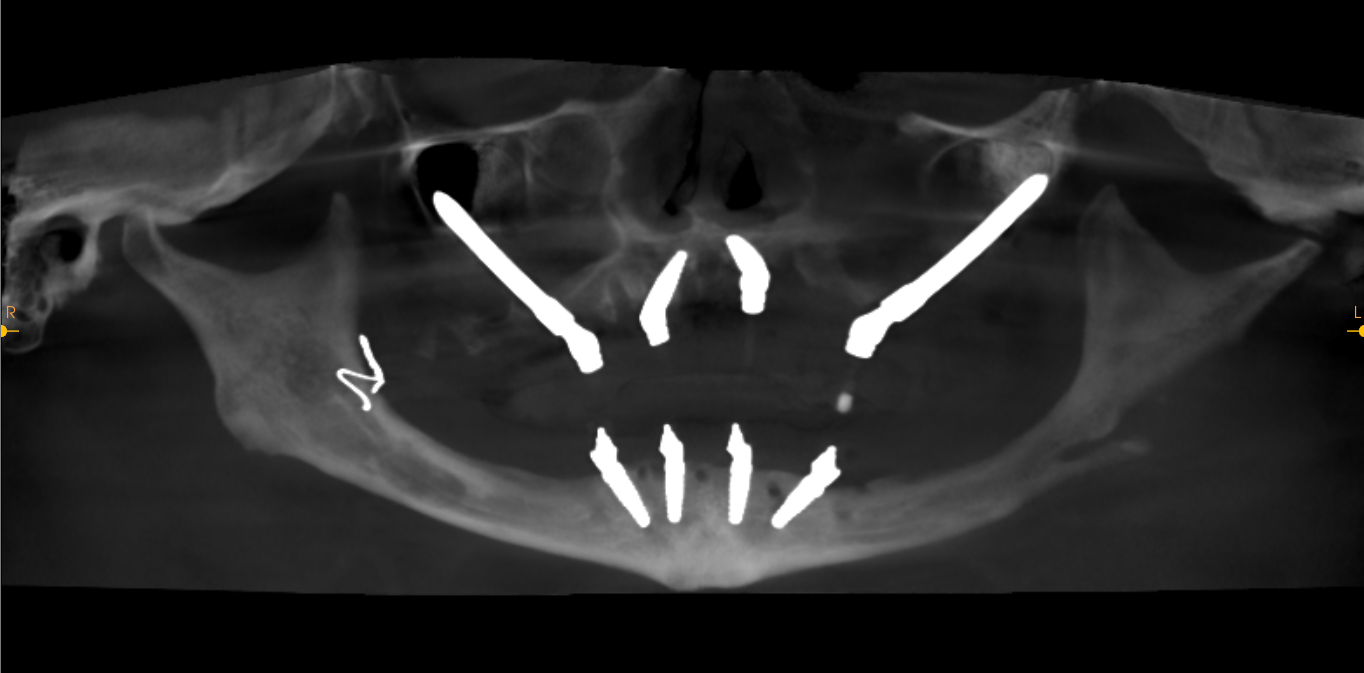
Zygomatic Implants: Fixed Teeth Options for Severe Jaw Bone Loss
For patients with severe upper-jaw bone loss, zygomatic implants may offer a path to fixed teeth without extensive bone grafting. These specialized dental implants anchor in the strong cheekbone, called the zygoma, instead of relying only on the upper jawbone.
As a result, some patients who have been told they do not have enough bone for traditional implants may still have options for a stable, fixed smile.
What Are Zygomatic Implants?
Zygomatic implants are longer dental implants designed for people with major bone loss in the upper jaw. During surgery, the oral surgeon places these implants in the zygomatic bone, or cheekbone, which is typically dense and strong.
Depending on your needs, zygomatic implants may work alongside standard dental implants. In some cases, they can provide primary support for a full upper arch of teeth.
Am I a Candidate for Zygomatic Implants?
Zygomatic implants may be an option if you have significant upper-jaw bone loss. For example, you may benefit from an evaluation if you:
- Have worn an upper denture for many years
- Have been told you lack enough bone for traditional dental implants
- Have had unsuccessful bone grafting or implant treatment
- Struggle to wear or keep a removable upper denture in place
- Want to explore fixed teeth rather than removable dentures
However, not everyone is a candidate. Your oral surgeon will review your medical history, oral health, sinus health, bone anatomy, and treatment goals before recommending a plan.
Can Zygomatic Implants Help Avoid Bone Grafting?
In appropriately selected cases, zygomatic implants may reduce or avoid the need for extensive upper-jaw bone grafting. Instead of rebuilding the lost upper-jaw bone first, the surgeon uses the cheekbone to support the implants.
Therefore, treatment may involve fewer grafting procedures for some patients. Still, every case is different. During your consultation, we will discuss all appropriate treatment options based on your anatomy and goals.
Can I Receive Fixed Teeth Quickly?
Some patients may qualify for a fixed temporary prosthesis on the day of surgery or shortly afterward. This approach can provide teeth during the healing period.
However, immediate fixed teeth are not right for every patient. Your surgeon will consider implant stability, your bite, healing conditions, and the overall treatment plan before making this recommendation.
How Is Zygomatic Implant Treatment Planned?
Careful planning is essential because zygomatic implant surgery is complex. Your evaluation may include:
- A detailed oral examination
- Review of your health history and medications
- 3D cone-beam CT imaging
- Evaluation of the upper jaw, cheekbones, and sinuses
- Planning for the position and function of your new teeth
This planning process helps your surgeon create a treatment plan that supports long-term function, comfort, and appearance.
What Should I Expect After Surgery?
After surgery, swelling, bruising, soreness, congestion, and fatigue are common during the early healing period. In addition, you will need to follow a soft-food diet and maintain careful oral hygiene.
Our team will provide personalized written instructions and schedule follow-up visits to monitor your healing. We will also guide you through each stage of treatment, from surgery to your final restoration.
Schedule a Zygomatic Implant Consultation
If you have severe upper-jaw bone loss or struggle with a removable upper denture, zygomatic implants may be worth considering. At Niagara Dental Implant & Oral Surgery, we will review your imaging, discuss your treatment options, and create a personalized plan focused on your health, comfort, function, and smile goals. Schedule your zygomatic implant consultation, or call or text our office to get started.
Sanil B. Nigalye, DDS, MD
Niagara Dental Implant & Oral Surgery
6490 Main Street, Suite 5
Williamsville, NY 14221
(716) 276-3553


