



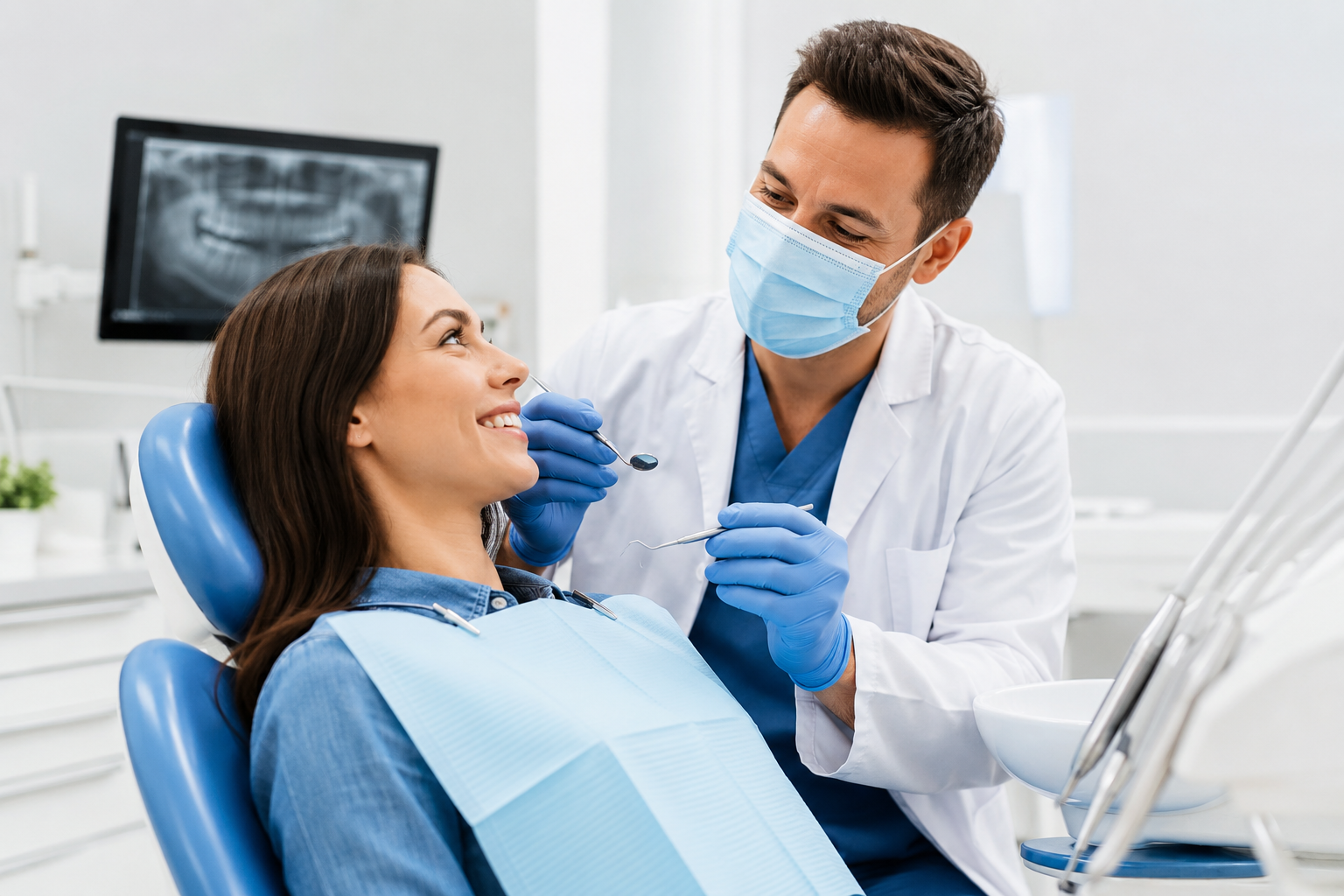
You may not notice a dental emergency until it happens, but you can act quickly and confidently when it does. If you need an emergency dentist in Williamsville, NY, you can expect prompt care for severe pain, knocked-out teeth, and infections that threaten your health.
They explain how to recognize true emergencies versus issues that can wait, guide you through immediate steps to control pain and protect teeth, and outline modern treatments available locally. You’ll also learn how to find a trusted nearby provider, manage costs, and reduce anxiety so you get the care you need with less stress.
Recognizing Dental Emergencies
This section explains clear, specific signs that require prompt care and describes common emergency conditions and their immediate management. It focuses on what to look for, when to call a dentist, and what to do until professional help arrives.
Signs You Need Urgent Dental Care
Severe, uncontrolled pain that wakes someone at night or prevents eating often indicates an infection or exposed nerve and needs same-day attention. Swelling of the face, jaw, or neck—especially if it progresses quickly—can signal a spreading infection that may obstruct breathing and requires immediate evaluation.
Bleeding that doesn’t stop after 10–15 minutes of pressure after trauma needs urgent care to control the source and rule out lacerations. A knocked-out tooth (avulsed) is time-sensitive; keeping the tooth moist and arriving at the office within 60 minutes improves the chance of re-implantation. Broken teeth with jagged edges risk soft-tissue injury and should be smoothed or repaired promptly.
Other urgent signs include severe sensitivity to hot or cold that lingers, loosening teeth after trauma, fever with oral pain, or visible bone shards after an injury. If breathing, swallowing, or speaking becomes difficult, call emergency services and dental staff immediately.
Types of Dental Emergencies
Tooth fractures range from small chips to vertical root fractures. Minor enamel chips can often wait a day or two, but fractures exposing the dentin or pulp need quick restoration or root canal therapy to prevent infection. Keep any broken pieces in milk or saliva and bring them to the appointment.
Dental abscesses present as localized, often throbbing pain with pus, swelling, and sometimes fever. Treatment typically involves drainage, antibiotics, and either root canal treatment or extraction depending on the tooth’s prognosis. Avoid applying heat to swelling; cold compresses can reduce pain and inflammation until care is available.
Avulsed teeth require gentle handling by the crown only, rinsing debris, and placing the tooth back in the socket if possible. If replantation is not possible, store the tooth in Hank’s Balanced Salt Solution, milk, or the patient’s saliva and get to the dentist quickly. Traumatic soft-tissue lacerations in the mouth may need sutures; keep the area clean and apply firm pressure to control bleeding.
What To Do During a Dental Crisis
Keep calm and act quickly. Prioritize stopping bleeding, preserving any tooth fragments, and contacting an emergency dental office in Williamsville, NY for same-day care.
Immediate Steps for Broken or Knocked-Out Teeth
If a permanent tooth is completely knocked out, find it right away and pick it up by the crown — avoid touching the root. Rinse the tooth gently with saline or milk if dirty; do not scrub or remove attached tissue fragments.
Try to reposition the tooth into the socket and hold it gently in place with clean gauze or by biting down on a folded tissue. If reinsertion isn’t possible, store the tooth in milk or a tooth-preservation kit and get to the dentist within 60 minutes for the best chance of reimplantation.
For a fractured tooth, save any pieces in milk or saline and rinse the mouth with warm water. Apply a cold pack to the cheek to reduce swelling and take OTC pain relievers like ibuprofen unless contraindicated. Call the emergency dentist immediately and describe the injury, whether a root or crown appears involved, and any mobility of the tooth.
Managing Sudden Tooth Pain at Home
When sharp or throbbing pain starts, rinse the mouth with warm salt water to clean debris and reduce bacteria. Floss gently to remove trapped food; do not probe a painful area aggressively.
Use a cold compress on the outside of the cheek for 10–15 minutes to limit swelling and numb the area temporarily. Take acetaminophen or ibuprofen for pain relief following package directions and any medical restrictions.
Avoid applying aspirin directly to the gum or tooth, and skip hard foods until evaluated. If pain follows trauma, swelling, fever, or persistent drainage, contact the Williamsville emergency dental clinic immediately — such signs suggest infection or severe injury requiring prompt professional treatment.
Modern Emergency Treatments Available in Williamsville
Williamsville emergency dental clinics provide fast pain control, same-day restorations, and infection management using up-to-date technology and evidence-based protocols. Patients can expect options that prioritize immediate comfort and long-term tooth preservation.
Pain Relief and Comfort Measures
Clinics begin with rapid assessment and targeted pain control. They use local anesthetics like articaine or lidocaine for immediate numbness and may offer oral or IV analgesics for severe pain when appropriate. For anxious patients, nitrous oxide sedation and oral sedatives are commonly available to reduce fear and improve cooperation.
Staff apply topical gels to sore gums and pulpal sedatives for exposed nerve pain while arranging definitive care. They also provide short-term prescriptions—NSAIDs and, when necessary, limited courses of opioids—following current guidelines to balance pain relief and safety. Clear aftercare instructions and phone follow-up help manage discomfort at home.
Repairing Damaged Teeth
For fractures and knocked-out teeth, clinics act quickly to preserve structure and function. Avulsed permanent teeth receive immediate replantation when possible; staff keep teeth in saline or milk during transport and splint them to adjacent teeth per protocol. For partial fractures, bonded composite restorations restore shape and seal exposed dentin in a single visit.
Extensive breaks often get temporized with crowns or onlays using same-day CAD/CAM milling, allowing patients to leave with a strong, esthetic restoration. When root involvement exists, emergency endodontic treatment (pulp extirpation or full root canal therapy) removes infection sources and prevents further pain or abscess formation.
Infection Control and Prevention
Clinics treat abscesses and spreading infections with targeted antibiotics and incision-and-drainage when indicated. Providers choose antibiotics (amoxicillin, amoxicillin-clavulanate, or clindamycin for allergies) based on likely pathogens and local resistance patterns, and they avoid unnecessary prescriptions by confirming indications.
They also use digital imaging and point-of-care tests to identify infection extent quickly. Sterile technique, single-use instruments where possible, and strict sterilization of reusable tools reduce iatrogenic risk. Staff educate patients on wound care, signs of worsening infection, and follow-up timing to prevent recurrence and complications.
How to Find the Right Provider Nearby
Finding the right emergency dentist involves checking specific credentials, availability, and patient-focused services. Prioritize providers who combine clear communication, modern treatment options, and proven experience treating urgent dental problems.
Trusted Qualities to Look For
Look for a dentist with active state licensure and memberships in professional organizations such as the American Dental Association or the New York State Dental Association. Those credentials confirm basic standards of training and ethics.
Check for documented emergency experience: many practices list “after-hours care,” same-day appointments, or a dedicated emergency contact number. Read recent patient reviews that mention prompt response, pain control, and clear treatment explanations.
Evaluate clinical capabilities: a provider should offer digital X-rays, local anesthesia expertise, and access to in-office procedures like extractions and root canal therapy. If sedation is needed, verify the dentist’s sedation certification and monitoring equipment.
Assess patient comfort measures: look for practices that describe anxiety-reduction techniques, written consent processes, and post-treatment follow-up. Confirm accepted insurance plans and transparent cost estimates for common emergency procedures.
Benefits of Local Expertise
A local Williamsville dentist understands regional referral networks, making transfers to oral surgeons or hospitals smoother when needed. Familiarity with nearby imaging centers and specialists speeds care coordination.
Local providers often have established relationships with same-day labs and pharmacies, which reduces wait times for restorations or prescribed medications. That translates into faster pain relief and shorter recovery periods.
Community-based dentists typically know common local causes of dental trauma—sports injuries from nearby schools, seasonal patrons, or area-specific bacterial profiles—and tailor prevention advice accordingly. They also tend to offer practical aftercare instructions suited to local pharmacies and follow-up options.
Choosing nearby care reduces travel stress during acute pain and makes in-person follow-up simpler. A short drive means quicker access to the clinic’s resources and higher likelihood of continuity with the same clinician for ongoing treatment.
Preventing Future Dental Emergencies
Focus on practical habits and routine care that reduce risks like broken teeth, painful infections, and lost fillings. Small daily choices and timely checkups together cut the chance of urgent visits and keep treatments simpler.
Everyday Prevention Tips
They should brush twice daily with a soft-bristled brush and fluoride toothpaste for two minutes each time. Floss once daily, reaching below the gumline where cavities and gum disease start.
Avoid chewing ice, popcorn kernels, and hard candies that can fracture teeth. Wear a custom nightguard for teeth grinders and a fitted sports mouthguard for contact activities. These appliances protect enamel and restorations.
Limit sugary and acidic snacks; choose water, cheese, or nuts between meals to reduce decay risk. If a tooth feels loose, sore to bite, or has a new sharp edge, call the dentist immediately—early fixes often prevent emergency extraction.
Role of Regular Checkups
They should schedule dental exams and cleanings every six months, or more often if the dentist recommends it for gum disease or heavy decay. Professional cleanings remove tartar that home care cannot, lowering infection risk.
Digital X-rays and oral exams detect small cracks, recurrent decay under fillings, and early abscesses before pain starts. Dentists can replace failing fillings, adjust bite issues, and apply protective sealants or topical fluoride in the office.
During visits, patients should discuss changes in bite, sensitivity, and any history of trauma. Timely treatments—like simple root canals, crowns, or nightguards—often prevent uncontrolled infections and same-day emergency procedures.
If questions remain or a patient needs an evaluation, contacting the dental office for advice or to book an appointment helps avoid unnecessary emergencies.
Supporting Patients Through Dental Anxiety
Many patients arrive tense before an emergency visit. The team focuses on clear communication, comfort options, and simple coping strategies to reduce fear and improve cooperation.
Comfort-Focused Care Approaches
The practice offers short, practical comfort measures that patients notice right away. They provide heated blankets, noise-canceling headphones, and warm rinses to reduce sensory shocks in the operatory. Staff use gentle touches and slow, steady movements to avoid startling a patient during exams or procedures.
Clinicians employ topical numbing gels and fast-acting local anesthetics to eliminate pain before injections. For those with high anxiety, conscious sedation options like oral sedatives or nitrous oxide are available and explained in plain terms. The team reviews medical history and current medications before any sedative is given and monitors vitals throughout the visit.
They also structure appointments to prioritize the emergency concern first, shortening time in the chair. Breaks are offered during longer treatments, and clinicians check in verbally every few minutes to confirm comfort and consent.
Communicating Your Concerns
Staff ask specific, nonjudgmental questions to identify what triggers each patient’s anxiety. They might ask: “Do sounds, smells, or needles bother you?” or “What helped you feel calmer at past appointments?” Answers guide which comfort tools to use and how to pace care.
Clinicians describe each step before touching the mouth, using simple phrases like “I will rinse now” or “A quick pressure for one second.” They show instruments and explain sensations—vibration, cool water, pressure—so the patient knows what to expect. Written consent forms and checklists reinforce verbal explanations for patients who process information better visually.
They offer follow-up contact after emergency care, including a phone call to review pain control and a plan for definitive treatment. Patients receive clear, actionable next steps and phone numbers to call if new symptoms or worries arise.
Financial Considerations and Insurance Options
Patients often worry about cost when facing a dental emergency. Clinics in Williamsville typically offer transparent pricing and explain options before treatment.
Many practices accept major dental insurance plans and will file claims on the patient’s behalf. Patients should call their insurer to confirm emergency coverage, in-network benefits, and any required preauthorizations.
For those without insurance, clinics commonly provide payment plans or financing through third-party lenders. Typical offerings include low-interest monthly plans and same-day payment arrangements to spread out the cost.
A simple checklist helps clarify finances:
- Verify insurance: plan name, network status, emergency coverage limits.
- Ask about estimates: get a written cost estimate for procedures.
- Inquire on timing: some insurers reimburse after treatment; others pay the clinic directly.
- Explore discounts: ask about cash, family, or senior discounts.
Common out-of-pocket costs include office visit fees, X-rays, temporary repairs, and definitive treatment like crowns or root canals. Emergency care often prioritizes pain relief and stabilization first, which can lower immediate costs compared with completing full restorative work at once.
Williamsville practices emphasize patient comfort and clear communication about finances. They encourage patients to call ahead with insurance details or financial questions so staff can prepare options and reduce stress before arrival.
Partnering With Your Local Dental Team
Patients should keep an open line of communication with their Williamsville dental team to reduce anxiety and speed care when emergencies happen. They can call ahead, describe symptoms, and ask about walk-in availability or after-hours options.
They should keep an updated patient record at the office, including medications, allergies, and recent procedures. That helps the dentist make safe, faster decisions during urgent visits.
Dentists often provide clear guidance on home first-aid steps for common problems like toothaches, broken teeth, or lost restorations. Following those instructions can preserve tissue and improve outcomes until professional care is available.
A simple checklist helps:
- Bring a photo ID and insurance card.
- Pack a list of current medications and allergies.
- Bring the damaged tooth or filling in a clean container if possible.
Patients benefit from knowing office protocols: emergency appointment windows, payment and insurance policies, and sedation or pain-control options. Discussing fears and comfort needs ahead of time enables the team to tailor care.
They should view the dental team as a partner in prevention as well as emergency care. Regular visits, prompt attention to warning signs, and clear communication reduce the likelihood and severity of urgent dental problems.
Encourage readers to call their Williamsville dentist with questions or to confirm emergency procedures so they feel prepared if a situation arises.
Frequently Asked Questions
This section clarifies which problems need immediate care, when the ER is appropriate, steps to take for severe bleeding or knocked-out teeth, options for after-hours or no-regular-dentist situations, typical payment paths, and common same-day treatments for infections and abscesses.
What counts as a true dental emergency versus something that can wait until tomorrow?
A true dental emergency threatens health, function, or significant pain. Examples include uncontrolled bleeding, severe infection with swelling that affects breathing or swallowing, a knocked-out tooth, or intense pain that prevents sleep or eating.
Issues that can usually wait 24–48 hours include mild tooth sensitivity, a lost filling or crown without pain, minor chips without sharp edges, or slight gum soreness. If symptoms worsen or a patient is unsure, contacting an emergency dental office for triage is wise.
If I have severe tooth pain, is the emergency room able to help—or do I need a dentist?
Hospital emergency departments can provide pain control and treat life-threatening infections but typically cannot perform definitive dental care like root canals or extractions. The ER can prescribe antibiotics and analgesics and stabilize swelling.
Seeing an emergency dentist leads to targeted treatments—drainage, extraction, or a root canal—so patients with severe dental pain should seek dental urgent care as soon as possible after ER stabilization.
What should I do right now if a tooth gets knocked out or breaks and I’m bleeding?
If a permanent tooth is knocked out, find it, handle it by the crown only, rinse gently if dirty, and attempt to reinsert it into the socket. If reinsertion isn’t possible, place the tooth in milk, saline, or the patient’s saliva and seek immediate dental care—ideally within 30–60 minutes.
For heavy bleeding, apply direct pressure with sterile gauze or a clean cloth and keep the head elevated. If bleeding does not stop after 15–20 minutes or if there are signs of shock, go to the ER.
How can I get urgent dental care if I don’t have a regular dentist or it’s after hours?
Call local emergency dental clinics in Williamsville that offer same-day appointments; many list after-hours lines on their websites. Urgent care dental centers and some general practices reserve slots for walk-ins or have on-call dentists.
If immediate dental services are unavailable, use the ER for severe infections or bleeding and schedule an emergency dental appointment the next day for definitive care.
Do emergency dental visits accept Medicaid or offer payment options for unexpected costs?
Some emergency dental offices accept Medicaid and most accept major credit cards, cash, or offer financing plans through third-party companies. Patients should call the office beforehand to confirm Medicaid participation and available payment plans.
Many practices provide transparent cost estimates for urgent procedures and may offer sliding-fee arrangements or referrals to community clinics for uninsured patients.
What are the most common same-day treatments for an infection, swelling, or a painful abscess?
Same-day treatments typically include incision and drainage of an abscess, extraction of a non-restorable tooth, or temporary root canal therapy to relieve pain. Dentists often prescribe antibiotics and pain medication and schedule follow-up definitive care within days.
For swelling that threatens airway compromise, immediate ER evaluation and IV antibiotics may be necessary before dental procedures.


